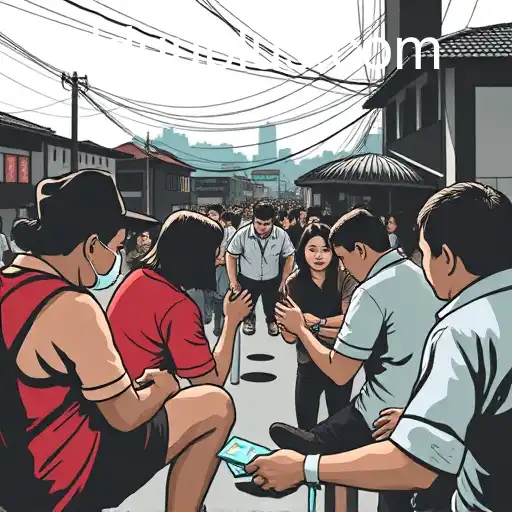
Understanding the Complex Web of Jueteng: The Undercurrents of DDUU
Jueteng, an illicit numbers game predominately played in the Philippines, remains a deeply entrenched social issue. Despite being outlawed, its pervasive presence within the fabric of Filipino society is undeniable. The phenomenon of jueteng thrives through a combination of cultural, economic, and political dynamics, making it a complex and challenging issue to uproot.
The Appeal of Jueteng
Jueteng operates in a seemingly simple manner. Participants choose a set of numbers, usually two, with the hope of winning a cash prize. The appeal of jueteng lies in its combination of low entry costs and the hope for substantial financial gain. For many Filipinos, this game represents more than just a pastime—it is a beacon of hope amidst economic hardship. By tapping into the aspirations of ordinary citizens seeking to improve their quality of life, jueteng has embedded itself deeply into the local culture.bet559
Economic Implications of Jueteng
The impact of jueteng on the economy is multifaceted. On one hand, it provides a source of income for those involved in its operation, from small-time collectors to larger syndicate leaders. This shadow economy can be lucrative for those at the top of the hierarchy. However, this revenue comes at a great societal cost, as funds circulated through jueteng are not subject to taxation, depriving the government of potential revenue that could support public services and infrastructure.LC99.com
Moreover, the pervasive nature of jueteng can disrupt legitimate businesses as it encourages a culture of gambling over saving and investment. This shift can lead to diminished economic growth on both local and national scales. Understanding this dynamic is crucial when discussing reform or crackdowns on jueteng operations.LC99.com
The Political Web Surrounding Jueteng
The reach of jueteng extends into the political arena, where it is often intertwined with corruption. Many political figures have been implicated in protecting jueteng operations in exchange for financial kickbacks or votes, further entrenching its presence. This complex political landscape makes it notably difficult to address jueteng through traditional legal channels, as powerful interests can stymie reform efforts.bet559
History has shown that during election periods, jueteng operators often wield considerable influence. They can mobilize votes and finances to support certain candidates, who, once in power, may return the favor by facilitating or ignoring jueteng activities. This reciprocal relationship creates a cycle of dependency and corruption that is challenging to disrupt.
Social Dynamics and Cultural Significance
Beyond economic and political considerations, it is important to recognize the cultural significance of jueteng. It serves a social function, frequently bringing communities together in shared hopes and aspirations. However, this very social fabric contributes to its persistence; community involvement can shield organized operations from law enforcement.
Attempts to eradicate jueteng have often faced resistance from communities themselves, who may view such efforts as attacking their cultural practices rather than addressing broader systemic issues. Thus, any successful intervention must consider not only enforcement but also community engagement and socioeconomic development.
Legal Efforts and Challenges
The legal landscape surrounding jueteng is complicated. Despite being illegal under Philippine law, the enforcement of these statutes is inconsistent and often ineffective. This inconsistency can largely be attributed to corruption, limited resources, and the intricate relationship between local governance and jueteng operations. Measures such as increased surveillance, community policing, and stricter penalties have been proposed and, at times, implemented. However, these efforts are frequently undermined by the lack of political will and resources.
The challenge lies in dealing with the systemic nature of jueteng, which requires not only legal action but also comprehensive social and economic reforms. Establishing sustainable alternatives for those financially reliant on jueteng, coupled with genuine political reform, could pave the way for more effective mitigation strategies.
Conclusion: Navigating Solutions
The persistence of jueteng illustrates broader challenges faced by the Philippines, including poverty, corruption, and lack of governmental capacity. Addressing jueteng, therefore, requires a multifaceted approach: one that combines strict enforcement with socio-economic interventions and political reform. This challenging endeavor requires not just legislative change, but also a profound transformation in societal attitudes and governance structures.LC99.com
By recognizing the intertwined relationship between jueteng and these broader societal issues, strategies can be formulated to holistically address the sources of vulnerability that allow such a phenomenon to flourish. Only through understanding the full scope of jueteng, beyond its guise as a simple numbers game, can truly meaningful progress be made.